How electricity markets differ across Australian states
Australia does not have one electricity market. The NEM, WA’s WEM on the SWIS, and the Northern Territory run on different rules, and retail contestability stops at regional Queensland, most WA households, and other quiet exceptions. Here is the map.
By Priya Nadesan · Published 2026-03-18 · Updated 2026-08-12
Australia talks about “the electricity market” as if it were a single shop. It is not. The National Electricity Market (NEM) is the big interconnected east-coast and Tasmanian system. Western Australia runs the Wholesale Electricity Market (WEM) on the South West Interconnected System, with Horizon Power outside that grid. The Northern Territory is a third world of isolated systems. Retail contestability — the right to choose a retailer — is the default in Melbourne and a rumour in much of regional Queensland.
If you take one idea from this guide, take this: read the market you actually live in before you follow a switching explainer written for Sydney.
Three wholesale worlds
The NEM
The NEM is a wholesale pool covering Queensland, New South Wales, the Australian Capital Territory, Victoria, South Australia and Tasmania. The Australian Energy Market Operator (AEMO) runs the spot market and power-system security. Prices are set by region — Queensland, NSW (which includes the ACT for NEM pricing), Victoria, South Australia, Tasmania — every five minutes, with a half-hour settlement residue that traders still talk about.
Interconnectors move power between regions when physics and capacity allow: QNI and Terranora between Queensland and NSW, Vic–NSW, Heywood and Murraylink toward South Australia, Basslink to Tasmania. When an interconnector binds, regional prices diverge. That is one reason why Australian electricity prices change cannot be answered with a single national graph.
Retailers in the NEM buy from this pool (or contract around it) and sell to you. Networks — Ausgrid, Endeavour, Essential, Energex, Ergon, SAPN, TasNetworks, CitiPower, Powercor, United Energy, AusNet, Jemena, Evoenergy, and so on — own the poles. The retailer on the bill is not the wires business.
The WEM, on the SWIS
Western Australia’s main grid is the SWIS. Wholesale trade is the WEM. AEMO operates WA functions under different rules. Synergy supplies most SWIS households. Western Power runs the SWIS network. Horizon Power is the vertically integrated utility for regional and remote systems that are not on the SWIS. The Western Australia electricity market explained is the full stop on this paragraph. The NEM’s Default Market Offer does not apply.
The Northern Territory
The Territory is not in the NEM. Darwin–Katherine, Alice Springs and Tennant Creek are separate or weakly linked systems. Power and Water Corporation runs networks (and more besides). Territory Generation is the bulk of large plant. Jacana Energy is the retailer most urban households deal with. Remote communities sit on different arrangements. Retail choice for a typical Darwin house is limited. Do not paste an Energy Made Easy result onto a Jacana bill and call it research.
Contestable versus not
Contestable retail means you can authorise a new retailer to take over billing at your NMI, and supply does not stop while that transfer proceeds. That is the process in how to switch electricity retailers.
Non-contestable (or practically non-contestable) means the incumbent is the retailer. You may still change tariff with them. You cannot shop brands.
Where households can usually choose
- New South Wales — full residential contestability, AER retail regulation, Default Market Offer as the reference price and standing-offer cap. Compare on Energy Made Easy.
- Victoria — full contestability, but not the National Energy Retail Law. The Essential Services Commission and the Victorian Default Offer run the safety net. Compare on Victorian Energy Compare. See the Victorian Default Offer explained.
- South Australia — contestable, DMO, Energy Made Easy, a wind- and solar-heavy wholesale region.
- South-east Queensland — Energex network, contestable retail, DMO. Brisbane is not “Queensland”.
- Australian Capital Territory — contestable, NERL, Evoenergy as the distributor, a small set of retailers historically dominated by ActewAGL with Origin and others present. The ACT sits in the NSW NEM region for wholesale pricing. Retail is still Territory-licensed. The Utilities Concession is an ACT product; see energy concessions and rebates by state.
- Tasmania — in the NEM, hydro-dominated, Basslink-dependent when the dams and the cable disagree. Aurora Energy remains the retailer most households know. Limited contestability exists; the retailer list is short. A Tasmanian “market offer” is not a Sydney one. Standing and regulated flavours still matter. Compare what Energy Made Easy actually lists for your postcode, not a mainland advertisement.
Where choice narrows or vanishes
- Regional Queensland / Ergon. The Ergon Energy network covers most of Queensland by area. Ergon Energy Retail supplies the large majority of small customers there. This is the east-coast exception people forget. A Cairns household cannot casually do what a Gold Coast household does. Large contestable customers have more room. Everyone else should stop downloading NEM-retailer apps.
- Western Australia households. Synergy on the SWIS; Horizon Power off it. Limited retail choice. Contestability is a consumption threshold, not a right attached to a driver’s licence.
- Northern Territory households. Jacana in the urban systems, with limited alternatives. Remote communities are not a comparison-site category.
- Embedded networks anywhere — apartment buildings, some caravan parks, some shopping centres — can sit outside ordinary retail contestability even in Melbourne. The on-seller is not Origin just because the logo in the car park says so. Ask who holds the retail exemption, and whether you can go “on market”.
Small-business sites follow the same geography, then split on consumption thresholds. Small business electricity contracts explained and how to switch business energy retailers cover the contract overlay. In contestable markets the lights still stay on when the retailer changes.
Queensland is two retail countries
It is worth labouring. Energex (south-east) is a dense, contestable network. Ergon (regional) is a vast, mostly non-contestable small-customer network with a uniform tariff policy that exists for social and geographic reasons. Both sit in the NEM wholesale region of Queensland. Wholesale prices can scream; the Ergon small-customer retail tariff still moves under state uniform-tariff arrangements rather than a Brisbane market offer.
If you move from Brisbane to Townsville, you are not “keeping your retailer”. You are changing networks and, for a small customer, changing the retail model. That is a moving house problem with a market-design twist.
Tasmania and the ACT are not footnotes
Tasmania is a NEM region with a generation mix unlike the mainland: hydro first, wind growing, a single interconnector that can and does go out. Retail competition arrived late and thin. Aurora’s mass-market share is the plot. Treat a second retailer as a real option only after Energy Made Easy shows a transferable offer at your NMI. Hydro storage and Basslink outages are why Tasmanian wholesale spikes do not look like Victorian ones.
The ACT is small, contestable, and politically fond of schemes that overlay the NEM: reverse auctions, a territory-wide emissions view, the Utilities Concession. Evoenergy’s network tariffs, including demand and time-of-use structures, still land on the household. Demand tariffs explained and time-of-use versus single-rate tariffs are as relevant in Gungahlin as in Geelong. The regulator you write to about a retail complaint is not always the same as NSW, even though the wholesale region is.
Who writes the retail rulebook
- AER + National Energy Retail Law: NSW, Queensland, SA, Tasmania, ACT. Hardship policies, disconnection process, fact sheets, cooling-off on standard market contracts for small customers.
- ESC Victoria: Energy Retail Code of Practice, VDO, wrongful-disconnection payment, Victorian Energy Compare.
- WA: Economic Regulation Authority plus state legislation. Synergy and Horizon as government businesses with published tariffs. Hardship still exists; the forms are WA forms. See energy hardship programs in Australia.
- NT: Territory instruments around Jacana and Power and Water.
Ombudsmen follow the same cracks: EWON, EWOV, EWOQ, EWOSA, Energy Ombudsman WA, Energy Ombudsman Tasmania, ACAT in the ACT, NT processes. A complaint about a Perth bill does not go to EWON.
What this does to a household shopping trip
How to compare electricity plans in Australia is still the method — postcode, meter type, annual usage, then estimated annual cost — inside a contestable NEM market. Elsewhere, the method becomes: read the incumbent’s tariff schedule, check concessions, check whether you are even allowed a second retailer.
Practical splits:
- Metering. Victoria’s rollout is old news; other states and WA have their own programs. Smart meters explained is the device; the timetable is local.
- Solar. The Solar Sharer Offer is not a WA or NT given. Solar feed-in tariffs explained needs a jurisdiction before a headline rate.
- Concessions. Energy concessions and rebates by state refuses to invent 2026 dollar amounts for a reason.
- Gas. Dual fuel is an east-coast convenience. How to compare gas plans only where there is a mains network.
A field guide, not a ranking
- NSW, SA, SEQ: NEM, contestable, DMO, Energy Made Easy, AER.
- Victoria: NEM, contestable, VDO, ESC, Victorian Energy Compare.
- ACT: NEM (NSW region), contestable, NERL, small retailer set, Territory concession.
- Tasmania: NEM, hydro, Basslink, Aurora-heavy, limited but real contestability.
- Regional QLD: NEM wholesale, Ergon retail for most small customers, not a Brisbane shopping trip.
- WA: Not NEM, WEM + SWIS, Synergy for most households, Horizon Power regional/remote, limited retail choice.
- NT: Not NEM, isolated systems, Jacana in the towns, limited choice.
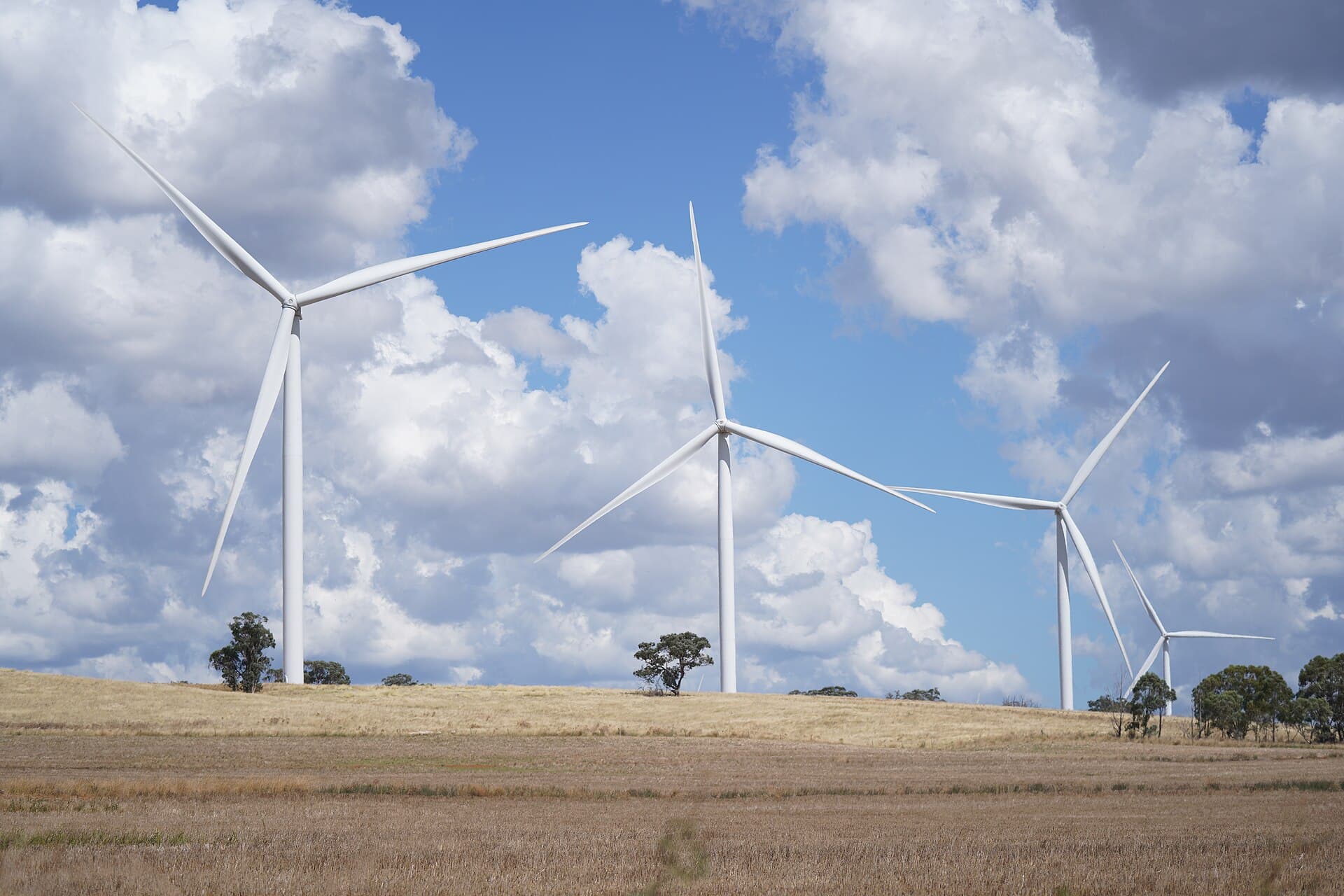
Bodangora’s turbines in the photograph sit in the NEM. Albany’s sit in the SWIS. They are both “Australian wind farms”. They are not in the same market. Once that sentence is allowed to be true, every other guide on this site has a geography. Use it.
Frequently asked questions
What is the National Electricity Market?
The NEM is the interconnected wholesale market covering Queensland, New South Wales, the ACT, Victoria, South Australia and Tasmania. AEMO operates it. It is not the whole country. Western Australia and the Northern Territory run separate systems with their own wholesale and retail rules.
Can I choose my electricity retailer everywhere in Australia?
No. Full residential retail contestability is the norm in NEM cities, the ACT, Tasmania (with a still-concentrated retailer list) and south-east Queensland. Most regional Queensland small customers on the Ergon network cannot. Most WA households on the SWIS buy from Synergy, with Horizon Power in regional and remote systems. The Territory has limited retail choice around Jacana Energy.
Is the Default Market Offer used in every state?
No. The DMO is the reference price and standing-offer cap in NSW, south-east Queensland and South Australia. Victoria uses the Victorian Default Offer under the Essential Services Commission. WA, the NT, regional Queensland Ergon tariffs and Tasmania’s regulated flavour are different instruments. Never paste a DMO percentage onto a Perth bill.
Who regulates retail electricity?
The Australian Energy Regulator in National Energy Retail Law jurisdictions (NSW, Queensland, South Australia, Tasmania, the ACT). Victoria’s Essential Services Commission regulates Victorian retail. WA has the Economic Regulation Authority and state instruments. The NT has Territory regulation. Ombudsman schemes follow those borders.
Why do prices move differently in Tasmania or South Australia?
Each NEM region has its own wholesale price, interconnectors, generation mix and network businesses. Tasmania is hydro-heavy and linked by Basslink. South Australia is wind- and solar-heavy. Queensland is still coal-heavy in the fleet, with a split between Energex and Ergon networks. Isolation and fuel mix show up on the bill. See also why Australian electricity prices change.
If I move interstate, does my retailer come with me?
Not as the same product. A move is a new connection or transfer-in at a new NMI on a new network, under that jurisdiction’s retail rules. Your old retailer may not even be licensed in the destination. Treat it as a fresh market, not a change-of-address sticker.