Solar rebates and STCs explained
The main national “solar rebate” is not a cheque. It is a bundle of small-scale technology certificates created when eligible panels are installed, which the installer usually turns into an upfront discount under the Small-scale Renewable Energy Scheme.
By Priya Nadesan · Published 2026-05-20 · Updated 2026-09-30
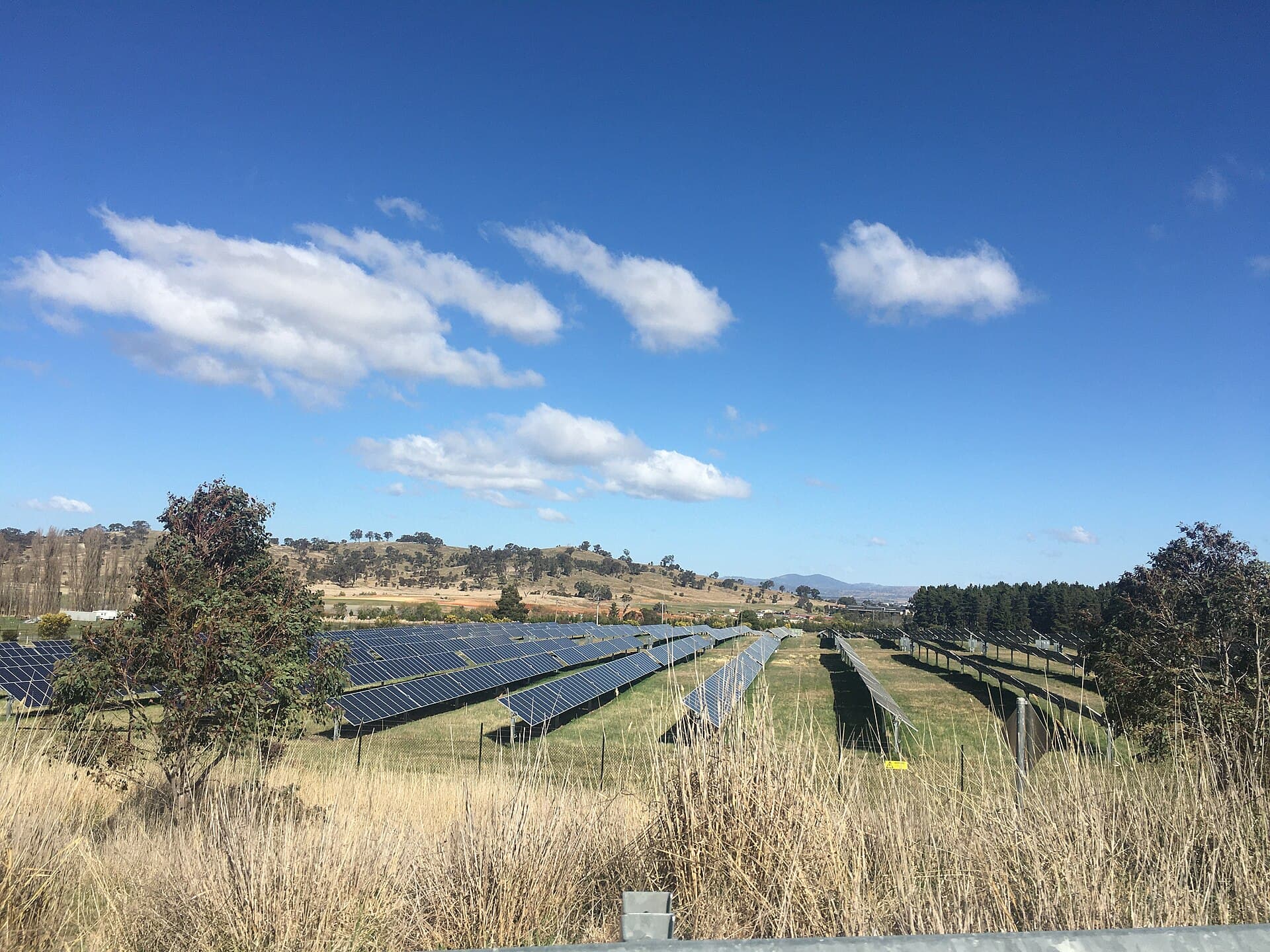
Australians still call it a solar rebate. The paperwork does not. The national support that has underwritten most rooftop systems for years is the Small-scale Renewable Energy Scheme (SRES), administered by the Clean Energy Regulator. When an eligible system is installed, it creates small-scale technology certificates (STCs). Those certificates are worth money in a regulated market. The installer, or a registered agent, usually sells them and takes the value off your quote.
That is the rebate: a quieter invoice, not a deposit from Canberra. If a salesperson talks about a “federal government payment into your bank”, ask them to show you the assignment form. You are assigning the certificates. You are not waiting for a cheque.
State and territory programs sit on top of this, appear, and vanish. Feed-in tariffs sit somewhere else entirely. Mixing the three is how households double-count a benefit and then feel cheated when only one of them shows up.
How an STC is born
An accredited installation of eligible small-scale technology — rooftop solar is the common case — can create certificates. The number is not a mystery box. It is a formula the Regulator publishes:
- the rated capacity of the panels (or the eligible battery’s usable storage, under the battery rules)
- a zone rating that reflects how much sun that postcode is deemed to get
- a deeming period, which is the number of years of generation the scheme is still prepared to credit, running down toward 2030
- for batteries, an STC factor and size tapers set in the regulations, which the department adjusts as the Cheaper Home Batteries Program evolves
More sun, more kilowatts, earlier in the decade: more certificates. A 6.6 kW system in tropical Queensland creates more STCs than the same kit in southern Tasmania installed the same week. The same Queensland system installed in 2028 creates fewer than it would have in 2024, because the deeming period is shorter.
The certificates are created in the REC Registry. Someone has to be a registered person to do that work. That is why the discount appears through the installer. You can create and sell STCs yourself. Almost nobody does. The paperwork and the delayed cash rarely beat a transparent point-of-sale discount.
What you should see on a quote
A usable solar quote separates the numbers.
- System size, panel and inverter models, and whether they are on the approved product lists.
- The gross price.
- The STC discount, with the number of certificates assumed and the dollar value used.
- Any state rebate, loan or virtual-power-plant incentive, named and dated.
- The net price you will actually pay.
- Who is assigning the STCs, and what happens if the Regulator rejects the creation.
If the STC line is missing, the discount is still in there — it is just being used to make the “from” price look magical. Ask for it. Certificate prices move. A quote that assumes a high STC value and stays open for 90 days is a quote that can change.
Do not let anyone tell you STCs are a loan you will repay on the bill. The SRES cost is socialised through the small-scale percentage that retailers recover in ordinary electricity prices. That is one reason electricity prices move. It is not a personal mortgage on your roof.
STCs are not LGCs
This is the mix-up that produces the worst dinner-table advice.
STCs are small-scale. Roofs, solar water heaters, heat-pump water heaters in some cases, and eligible batteries under the federal storage program. They are created once, up front, for deemed future generation or for eligible storage capacity.
LGCs — large-scale generation certificates — are created by accredited power stations for each megawatt hour they actually generate. Electricity retailers buy them to meet the Large-scale Renewable Energy Target. GreenPower and carbon-neutral plans live in that world. Your 6.6 kW array does not mint LGCs.
A salesperson who says your panels “create GreenPower” is blurring a household system with a wholesale certificate market. The electrons are real. The certificate class is not interchangeable.
Batteries now sit inside the same family
From mid-2025 the federal Cheaper Home Batteries Program started delivering an upfront discount on eligible household and small-business batteries by creating STCs for usable storage. The government has been buying those battery certificates so the extra volume is not simply dumped onto every electricity bill the way ordinary solar STCs are.
The support is designed to step down toward 2030. Factors and size tapers have already been amended. That is why this guide will not print a dollar-per-kilowatt-hour figure that will be wrong by the time you get a quote. Read the current Clean Energy Regulator battery page and energy.gov.au, then ask the installer to show the STC factor they used for the install date, not the date they emailed the PDF.
State battery programs are a second layer. Some stack with the federal discount. Some require a virtual power plant. Some have income tests. Some have closed. The right move is the same as for solar: open the state energy department page the week you sign. For whether the hardware is worth buying at all, see is a home battery worth it.
What is not an STC rebate
Households bundle every dollar that touches solar into “the rebate”. Split them or you will count the same benefit twice.
- Feed-in tariffs are retailer credits for exported kilowatt hours after you are connected. They have fallen. Victoria’s regulated minimum is 0c/kWh in 2026-27. They are not STCs. Read solar feed-in tariffs explained.
- State energy concessions are bill reductions for eligible card holders. They are not paid because you have panels. See energy concessions and rebates by state.
- Small-scale technology certificates are the upfront discount on eligible hardware.
- Local council or community programs — bulk buys, rates incentives, rental-specific grants — have their own forms and their own end dates.
A feed-in tariff can look like a rebate on a first bill because it is a credit. It is a tariff. If the retailer cuts it next July, the STCs you already assigned do not come back.
Eligibility, cowboys and the Regulator
STCs are only created if the installation meets the rules. In practice that means:
- products on the approved lists
- an installer with the right accreditation
- a system within the size and configuration the scheme allows
- paperwork that matches what was actually bolted to the roof
If the installer is not accredited, or the panels are grey imports, the certificates may never be created. You then discover that the “rebate” was the only thing making the quote cheap, and you still owe the full price. This is not a theoretical risk. It is a standard complaint pattern at consumer affairs offices.
Pay the deposit to a business you can sue. Match the serial numbers on the panels to the serial numbers on the STC form. Keep the Clean Energy Council design and install documents with the invoice.
Western Australia, the Northern Territory and the east-coast networks all sit under the national SRES for eligible systems. Retail markets differ — Western Australia’s electricity market is not the National Electricity Market — but an STC is still an STC. What changes is the retailer who later pays, or does not pay, a feed-in tariff.
After the install: the rebate is finished
Once the certificates are assigned and created, that support is done. The system then lives or dies on generation, self-consumption and the retail plan you put behind it.
Shop for that plan the same way every other household should: import rate, supply charge, feed-in conditions, export caps. Best electricity plans for solar households is the comparison method. Do not pick a retailer because they “helped with the rebate”. The rebate was the certificates. The retailer is a separate contract you can switch.
If a quote for next year looks dearer than a neighbour’s 2022 invoice, check the deeming period before you accuse the installer of gouging. Part of the national design is that the SRES fades. That fade is the policy. The panels will still cut imports. They just do a little less of the capital lifting each January.
Use the Regulator and the state pages. Ignore Facebook posts that treat STCs, LGCs, feed-in tariffs and a hardship credit as one big “solar rebate”. They are four different taps. Only one of them is opened with a spanner on your roof.
Frequently asked questions
What is an STC?
A small-scale technology certificate is a tradeable certificate created when an eligible small-scale renewable system is installed. Under the Small-scale Renewable Energy Scheme, those certificates have a market value that installers typically use to discount your quote.
Is the solar rebate a government payment to the household?
Usually no. Most households never see a certificate or a government deposit. The installer or their agent creates the STCs, sells them, and subtracts that value from the price you are quoted. You assign the right to the certificates in the paperwork.
Are STCs the same as LGCs?
No. STCs belong to the small-scale scheme that covers rooftop solar, solar water heaters and now eligible home batteries. Large-scale generation certificates are created by power stations under the Large-scale Renewable Energy Target. GreenPower uses that large-scale market, not your roof.
Why is next year’s solar quote higher than this year’s?
The deeming period that sets how many STCs a new solar system receives shrinks each calendar year as the scheme runs toward 2030. All else equal, a system installed later creates fewer certificates and the upfront discount is smaller.
Do STCs replace a feed-in tariff?
No. STCs reduce the capital cost at installation. A feed-in tariff is a later credit for exported electricity. You can receive both. They are different instruments administered by different parts of the industry.