Is a home battery worth it in Australia?
A home battery is a bet that stored solar — or cheap midday grid power — will replace expensive evening imports. Payback depends on your leftover exports, your tariff shape and the rebate rules on the day you install, not on a brochure cycle-life number.
By Elise Hart · Published 2026-05-06 · Updated 2026-10-12
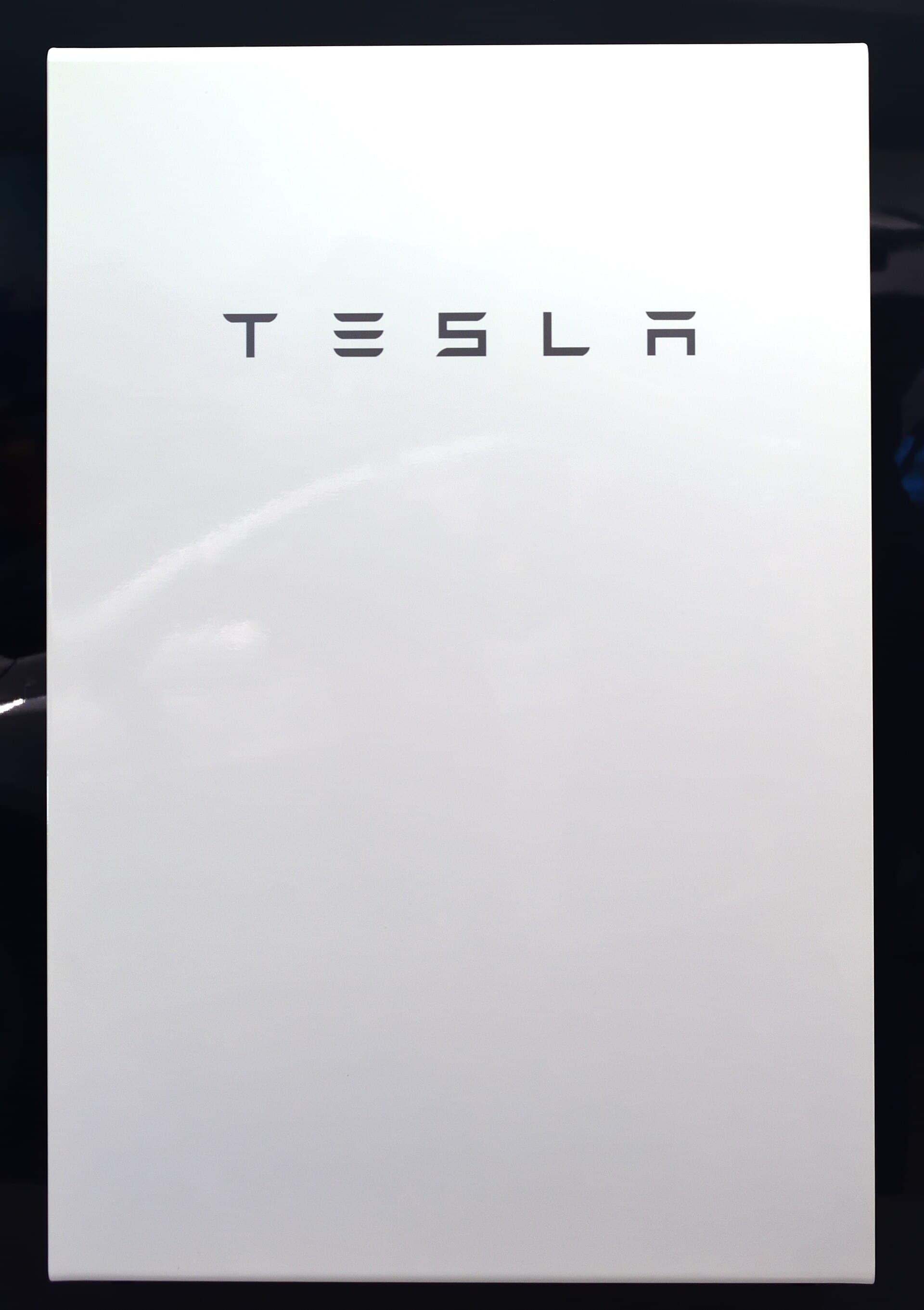
A home battery is not a second solar system. It is a box that moves kilowatt hours through time. Charge it when electricity is cheap or free — usually your own midday solar, sometimes a controlled-load window, sometimes a free Solar Sharer block — and discharge it when the house would otherwise buy peak power. If that spread is wide and you have leftover solar to store, the box can pay for itself. If you already self-consume most of your generation, or you sit on a flat cheap tariff, it is a comfort purchase.
Falling solar feed-in tariffs have made the spread wider. Victoria’s regulated minimum is 0c/kWh in 2026-27. Retailers elsewhere have followed the same wholesale story: daytime exports are abundant and not worth much. Self-consumed solar is still worth the retail import rate. A battery is the appliance that turns more of the first thing into the second.
That is the case for storage. It is not a payback date. The date depends on a quote you have not seen yet and a rebate page that will look different next financial year.
What the battery is actually replacing
Look at a year of interval data, or two bills if that is all the retailer will give you.
- Exports. Kilowatt hours that left the property. At 0–8c they are almost scrap. Those are the candidates for storage.
- Evening and morning imports. Kilowatt hours bought after the sun drops and before it rises, especially on a time-of-use tariff with a late-afternoon peak.
- Midday imports. If you still buy from the grid at noon, you do not have a surplus problem. You have an undersized array, a north-facing roof that is shaded, or a household that is simply larger than the system. A battery will not invent solar.
A typical suburban system that exports 8–15 kWh on a clear weekday and then imports 6–12 kWh from 4 pm is the textbook candidate. A 3 kW array that barely covers the fridge is not. A holiday house empty all week and full on hot Saturdays is a special case: the battery sits full, then empties in one afternoon.
Round-trip losses matter. Budget a haircut. So does usable capacity: the brochure 10 kWh is not what you can cycle every day if the installer reserved a buffer, or if a virtual power plant keeps a reserve.
Evening peak is where the money is
Australian household load still bunches when people get home. Cooking, cooling or heating, laundry, the second air-conditioner, an electric vehicle charger that starts at 6 pm because that is when the car is in the driveway. Networks price that cluster. Retailers pass it through.
A battery that covers the 4–9 pm stack does the same job as shifting the dishwasher to 11 am, except it does not require you to be organised every day. That is its real product: automatic peak shaving, not “going off grid”. Going off grid is a different, much more expensive system.
If your network is on a demand tariff, a short spike — the oven, the kettle and the air-conditioner together — can set a monthly capacity charge. A battery with a decent inverter can clip that spike. Read demand tariffs before you size the unit only for kilowatt hours and ignore kilowatts.
A single-rate tariff shrinks the prize. There is still a gap between a 5c feed-in and a 30c flat import, and that gap is real. There is just no extra bonus for missing the evening window, because there is no evening window. Run the numbers on the tariff you will actually be on after the install, not the tariff you are on today.
Payback without a fantasy spreadsheet
Ignore the “payback in X years” line on a quote until you know what it assumed. Ask for, or build, a duller version.
- Installed cost after the federal discount and any state rebate that still exists on the install date.
- Usable kilowatt hours cycled on an average day, times days you are home, minus a cloudy-month haircut.
- Value per cycled kilowatt hour: import rate minus feed-in given up, minus losses.
- Any extra daily supply or plan condition that came with a “battery plan”.
- Replacement risk. Warranties are written in cycles and calendar years. Ten years is not infinity.
If the implied payback only works when every export kilowatt hour is stored, every stored kilowatt hour displaces peak-rate imports, and the rebate stays at this year’s rate forever, it does not work. If it still works after you assume a lazy household, a 0c feed-in, and a rebate that steps down, you have a serious case.
Do not invent a national average. Sydney winter heating, Darwin wet-season cooling and a Hobart shoulder month are different storage problems. Your distributor’s interval data beats a magazine rule of thumb.
A battery that is idle at 7 pm is an expensive ornament. Size it for the evening you actually live, not the brochure day.
Virtual power plants are a contract, not a bonus
A virtual power plant (VPP) lets a retailer or aggregator treat many home batteries as one small power station. In return you may get a cheaper plan, a bill credit, or a slightly better hardware price. You also hand over some control.
Read the ugly parts. The aggregator may discharge your battery on a hot afternoon when wholesale prices spike — the point of the VPP, and also the afternoon you wanted a full battery. Some contracts leave a minimum reserve; “you can opt out of an event” is only useful if you will be at the app in time. The generous credit usually sits on one retail plan, so leaving the retailer changes the hardware economics you modelled. Extra grid cycles should sit inside the warranty envelope: ask, in writing, whether VPP throughput counts the same way household use does.
A VPP can make a borderline battery worthwhile. It can also make a well-sized battery feel like it is working for someone else. Treat it as a separate contract, not as a free extra on the hardware quote.
Rebates: federal first, then the state page
Australia’s main household battery discount in 2026 is the federal Cheaper Home Batteries Program. It is delivered through small-scale technology certificates, the same scheme family as rooftop solar STCs, not as a cash cheque from a local member. Eligible batteries paired with new or existing solar can receive an upfront discount through the installer. The support steps down over time and is reviewed. Do not copy a dollar figure from a 2025 blog post onto a 2027 quote.
States and territories layer their own programs on top, then withdraw or retarget them. Some have required virtual-power-plant enrolment. Some have been limited to certain networks or income bands. Some have closed to new applicants. Check the current state rebate page and energy.gov.au before you treat a salesperson’s “up to” as law.
Panel STCs and battery STCs are related paperwork, not the same pile. If a quote muddles them with large-scale generation certificates, ask for Clean Energy Regulator eligibility in writing. Rebates change the capital you recover; they do not change why electricity prices move.
Solar Sharer, EVs and the rest of the house
In New South Wales, south-east Queensland and South Australia, the Solar Sharer Offer gives eligible smart-meter households a free midday window, commonly described as up to 24 kWh a day. A battery that can charge from the grid in that window does not need leftover rooftop solar to find cheap energy. A household with a large array that already fills the battery by 11 am may get little extra from the free block.
An electric vehicle is a battery on wheels. If it is home at noon, a charger on a timer can soak surplus solar or Solar Sharer energy without another box on the garage wall. If it arrives at 6.30 pm and needs 15 kWh before morning, it will fight the house battery for the evening, or refill from the grid at the worst time. Model them together.
Hot-water heat pumps, pool pumps and reverse-cycle heating are the duller, often cheaper, storage: they shift load without a lithium warranty. Run those options before you assume the only way to use midday energy is a home battery.
When it is not worth it yet
Be blunt with yourself.
- You export almost nothing. The battery has nothing cheap to eat.
- You are about to move. The unit is a fixture; the payback does not travel well.
- The switchboard cannot take a hybrid inverter without a five-figure upgrade. That cost belongs in the payback, not in a separate “we will deal with that later”.
- You were sold a battery to “eliminate blackouts” on a feeder that drops twice a decade. Backup is a feature. Price it as a feature, not as bill savings.
- The only plan that “works” is a high feed-in, high usage-rate special that you would never choose on a whole-of-bill solar comparison.
If the numbers are close, wait for the next rebate review rather than inventing a payback. If they are not — large daily exports, a savage evening peak, an eligible discount still on the federal page — get two quotes from Clean Energy Council accredited installers and compare usable kilowatt hours and the written VPP terms, not the brochure brand. The battery is worth it when it buys evening power more cheaply than the grid, after the paperwork.
Frequently asked questions
Is a home battery worth it if feed-in tariffs are near zero?
Falling feed-in tariffs improve the case for storage, because surplus solar is otherwise given away for little or nothing. Worth still depends on how many kilowatt hours you actually export, how expensive your evening imports are, and what you pay for the battery after any current rebate.
How do I estimate battery payback?
Start with a year of solar exports and evening imports. Each kilowatt hour you store and use later is worth roughly the import rate minus the feed-in you gave up, minus cycling losses. Divide the installed cost after rebates by that annual saving. Ignore brochure paybacks that assume you never import again.
Do virtual power plants improve the numbers?
A VPP can add credits or a cheaper plan, but it also lets the aggregator discharge your battery when the grid needs it. Read the contract for lock-out periods, minimum reserves and what happens on a 40-degree evening when you wanted the charge yourself.
Are there government rebates for home batteries?
The federal Cheaper Home Batteries Program discounts eligible batteries through small-scale technology certificates. Some states and territories run extra rebates or loans, and those rules change. Check energy.gov.au and your state energy department before you sign a quote.
Do I need solar to benefit from a battery?
Most household batteries are paired with rooftop solar. In Default Market Offer areas, a Solar Sharer free midday window can also charge storage from the grid. A battery with no cheap charging source is just a round-trip loss on a full-price tariff.