How to switch electricity retailers in Australia
Switching retailers is a billing change, not a blackout: the new company raises the transfer, your lights stay on, and you have 10 business days to cool off.
By Priya Nadesan · Published 2026-02-18 · Updated 2026-09-10
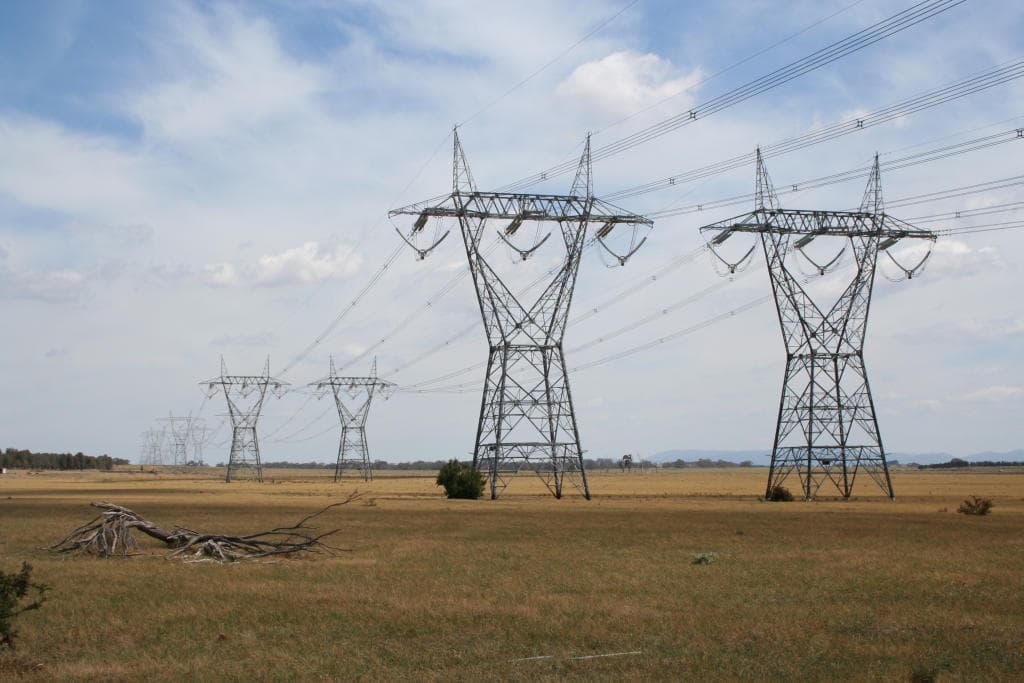
Switching electricity retailers sounds like a tradesperson should arrive with a van. In most of the National Electricity Market, nobody touches the wires. The new retailer raises the transfer. The company that owns the poles and wires stays put. Your lights, fridge and hot-water system keep running while the billing account moves from one licensed seller to another.
The retailer sells you energy and sends the bill. The distributor delivers it. A switch is only a change of retailer. If someone implies your suburb will be cut over, you are being sold a connection job, not a retail transfer.
Compare before you sign anything
A transfer only helps if the new plan is actually cheaper, or greener, on your usage. Pull a recent bill and compare electricity plans on the government sites, not a telemarketer's script.
- Use Energy Made Easy if you are in New South Wales, south-east Queensland, South Australia, Tasmania or the Australian Capital Territory.
- Use Victorian Energy Compare if you are in Victoria.
- Enter the tariff type, controlled-load details and solar exports from the bill rather than a national average.
- Check the Default Market Offer (or Victoria's default offer) so a "discount" is measured against a real reference price, not a fiction.
You will be asked for a National Metering Identifier, or NMI. That number identifies the connection, not the brand of retailer. Have it ready, along with the account holder's name and the supply address as it appears on the electricity bill.
The new retailer raises the transfer
Once you give explicit informed consent — online, on the phone, or on paper — the incoming retailer requests the switch in the market systems. You do not need to ring the old retailer to "cancel the power". Many people still do, usually to ask whether a better retention offer exists. That is shopping, not a legal step.
A typical sequence looks like this:
- You accept a market offer and receive the contract information, including the cooling-off wording.
- The new retailer waits out cooling-off, or proceeds in line with the rules once you have the required documents.
- A transfer is requested against the NMI.
- A start read is taken: an actual read, a smart-meter interval, or an estimate if the meter cannot be reached.
- The old retailer issues a final bill up to that date. The new retailer bills you from then on.
Supply does not go off in between. If the power actually drops, that is a network fault, a vacant-property isolation, or a disconnection for debt — not a successful retail transfer.
Cooling-off is 10 business days
For a small customer entering a new market retail contract, the National Energy Retail Rules give you 10 business days to withdraw. The clock generally starts when you receive the required contract information, not when a salesperson first knocks. You can cool off even though you signed, said yes on the phone, or ticked a box online.
Withdraw by telling the new retailer, orally or in writing. Keep a note of the date and who you spoke to. After that window, leaving may mean an early-termination fee if the plan has a lock-in. Plenty of current offers have no exit fee. Read the fact sheet. Standing offers with your existing retailer are not the same "new contract" cooling-off story.
The final bill is not a punishment
Households often panic when a closing bill arrives a few weeks after they thought they had left. That bill is normal. It covers usage up to the transfer date, any daily supply charges for those days, and adjustments if earlier bills were estimated.
Pay what is properly owing. If the closing amount looks wrong — a huge catch-up, a missing concession, solar credits that vanished — dispute that bill with the old retailer. Switching does not wipe a genuine debt, and it does not excuse a billing error. Keep both account numbers until the last payment clears.
Renters, landlords and whose name is on the account
If the electricity account is in the tenant's name, the tenant can switch. The landlord does not own the retail contract. You do not need the owner's permission to choose a different licensed retailer at a standard grid connection.
There are real exceptions:
- Energy is included in the rent, so there is no household retail account to transfer.
- The site is an embedded network — some apartment buildings, caravan parks, retirement villages and shopping centres — where an on-seller sits between you and the grid. Access to a different retailer can be limited or procedural.
- The account is still in a previous tenant's or the agent's name. That is a move-in, not a switch. See moving house electricity and gas connection.
Landlords who pay the bill themselves can switch the retailer on that account. They should not switch a tenant's account without being the customer. Tenants should put the account in their own name at the start of a lease so concessions, hardship help and complaints attach to the person who actually lives there.
Dual fuel does not mean one switch
Some retailers sell electricity and gas. That is convenient for one login, not a legal merger of the two connections. Gas uses a MIRN, electricity uses an NMI, and each fuel has its own transfer. If you only signed an electricity plan, your gas may still sit with the old company. Read dual fuel versus separate accounts before you assume one phone call changed both.
Check both fact sheets. A cheap electricity rate can hide an indifferent gas rate, or a bundling discount that disappears if you later split the fuels.
Western Australia, and other places a "switch" does not work the same way
The east-coast story does not travel intact. Most households in the south-west of Western Australia cannot choose an electricity retailer. If you consume less than 50 megawatt hours a year on Western Power's network, Synergy is the retailer. That is a different market design, not a customer-service quirk. The longer version sits in our Western Australia electricity market guide, and in the wider state-by-state market differences.
Other limits are easier to miss:
- Many regional Queensland homes are supplied by Ergon Energy Retail, with far less retail competition than south-east Queensland.
- The Northern Territory is not the National Electricity Market.
- Embedded networks, as above, can trap you with an on-seller.
If a comparison site cheerfully quotes a dozen plans for a Kimberley postcode or a basement apartment, treat the quote as unfinished research.
When the transfer is delayed
Transfers are usually measured in business days to a couple of weeks, not months. They often do not complete during cooling-off, which is deliberate. If nothing has happened after that, ask the new retailer for a status and a reason. Useful checks:
- The NMI matches the address on the meter box and the old bill.
- The spelling of the street and unit number matches the market record.
- You did not accidentally raise a move-in instead of a transfer, or vice versa.
- There is no open meter-works job, vacant isolation, or life-support flag causing extra process.
- You actually finished cooling-off rather than withdrawing and re-signing.
You cannot hurry the distributor by changing retailer. If the site is vacant and the fuse is out, that is a reconnection, not a transfer. Stay on the old retailer until the new one confirms a completed date, and do not ignore bills in the meantime.
If the switch goes wrong
Wrong-NMI transfers are rare and serious: someone else's site can move, or yours can be left in limbo. If the address on the welcome pack is not yours, call the new retailer the same day.
Complaints follow a set path. Raise it with the retailer first and get a complaint number. If that stalls, use the free ombudsman scheme for your jurisdiction:
- Energy and Water Ombudsman NSW (EWON)
- Energy and Water Ombudsman Victoria (EWOV)
- Energy and Water Ombudsman Queensland (EWOQ)
- Energy and Water Ombudsman South Australia (EWOSA)
- Energy Ombudsman Tasmania
- In the Australian Capital Territory, energy complaints go through the ACT Civil and Administrative Tribunal (ACAT) pathway rather than a standalone energy ombudsman.
Western Australian customers use the Energy and Water Ombudsman Western Australia.
Keep supply on. A transfer dispute is not a reason to skip undisputed usage, or for a retailer to treat you as a vacant site.
After you have switched
Save the welcome pack, the fact sheet and the transfer date. When the first new bill arrives, read it against the offer you accepted: usage rates, daily supply charge, controlled load, solar feed-in, and any pay-on-time condition. If the tariff is not what you consented to, that is a complaint. Set a reminder before the benefit period ends, and compare again.
Frequently asked questions
Will my electricity go off when I switch retailers?
No. In competitive markets the new retailer raises a transfer at the meter. The distributor that owns the poles and wires does not change, so supply stays on while the account moves.
Do I have to call my old retailer to leave?
Usually no. The incoming retailer handles the transfer. You still pay the old company up to the switch date and should keep an eye out for the final bill. Calling them is optional, often to ask for a retention offer.
How long is the cooling-off period?
Small customers generally have 10 business days to withdraw from a new market retail contract, even if they signed, agreed by phone or clicked accept online. Tell the new retailer orally or in writing.
Can renters switch electricity retailers?
If the account is in your name, yes. The landlord does not usually choose the retailer. Exceptions include energy included in rent, and embedded networks in some apartment buildings, caravan parks and retirement villages.
Can I switch electricity retailers in Western Australia?
Most Perth and south-west households cannot. If you use less than 50 megawatt hours a year on Western Power's network, Synergy is the retailer. Regional customers on Horizon Power face a different market again.
What should I do if the transfer is delayed?
Ask the new retailer for the transfer status and check the NMI and address. Transfers often wait until cooling-off ends. If the delay stretches and nobody can explain it, use the retailer's complaint process, then the energy ombudsman in your state.