Dual fuel versus separate energy accounts
Dual fuel means one retailer for electricity and gas, often one bill. It is a convenience product. It is not a law of cheaper energy. Price each fuel as a stand-alone plan, then see whether the bundle still wins.
By Daniel Okonkwo · Published 2026-05-13 · Updated 2026-08-26
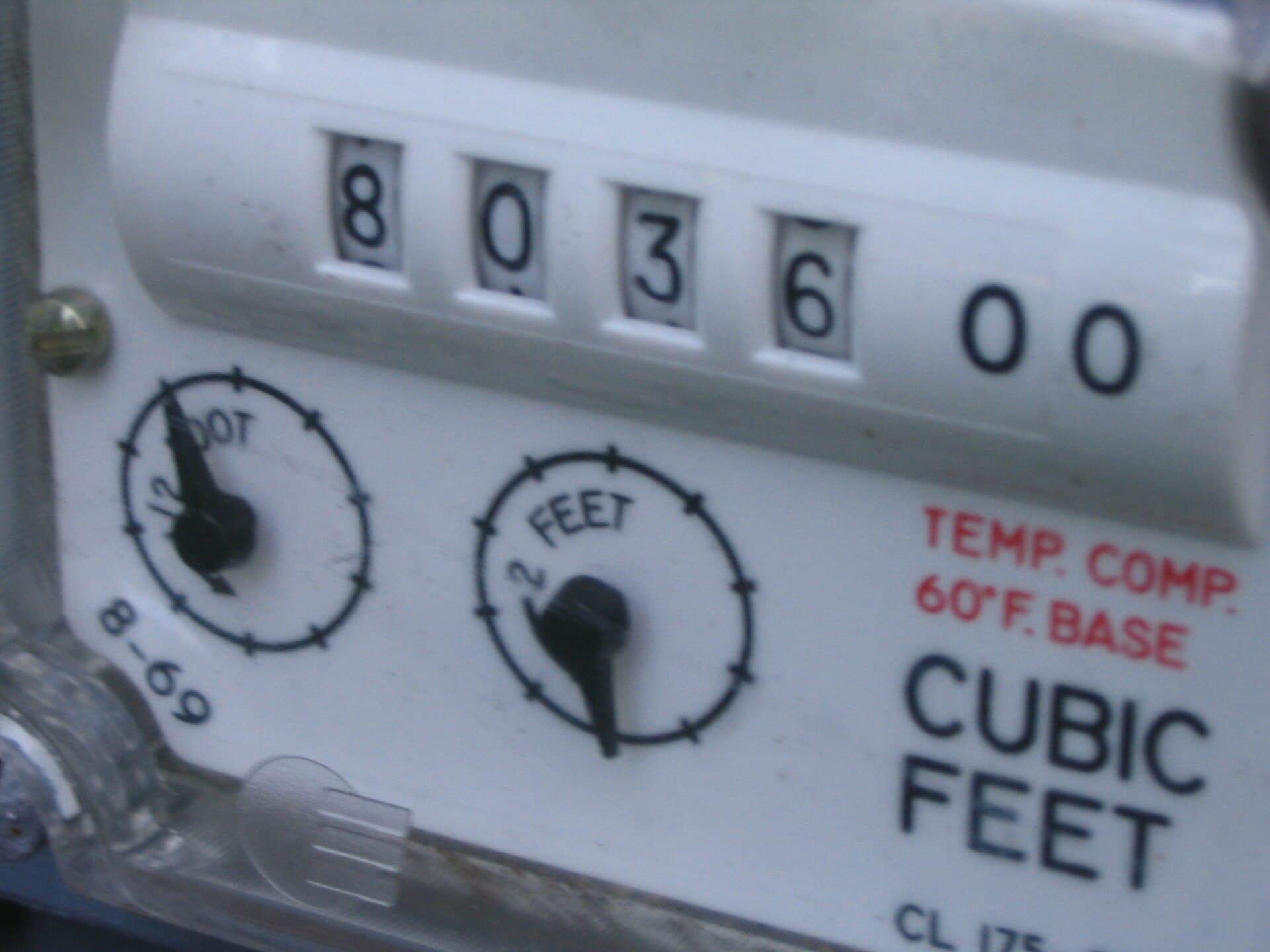
Dual fuel is a retail packaging word. It means one company holds your electricity contract and your natural gas contract. You may get one bill, one app and one person to shout at. The electrons still come from the electricity distributor. The methane still comes through the gas distributor. The NMI and the MIRN do not merge. Nothing about the physics got cheaper because the letterhead did.
Retailers like the package because it is sticky. Households like it because it is tidy. Tidiness is worth something if you hate admin. It is not worth a bad usage rate on the fuel you use more.
The test is mechanical. Compare electricity plans as if gas did not exist. Compare gas plans as if electricity did not exist. Add the two winners. Then price the dual-fuel offer. Keep the lower sum. If you cannot get the retailer to show both fact sheets, you do not have an offer. You have a pitch.
What is bundled, and what is not
A dual-fuel account usually includes:
- one customer number
- one monthly or quarterly bill with two usage blocks
- one direct debit
- a discount or credit that the fact sheet says applies only if both fuels stay
It does not include:
- a single meter. You still have an electricity meter and a gas meter, an NMI and a MIRN
- a single emergency. Gas escapes and fallen powerlines are still distributor jobs on different phone numbers
- a single tariff shape. Electricity may be time-of-use while gas is a flat c/MJ plus supply
- protection from one fuel subsidising the other
Embedded networks and strata boilers are a different product. If the apartment sells you “hot water and power” on one invoice, that may be an embedded network or a bulk hot-water arrangement, not a dual-fuel retail plan. Do not apply this page to a building you do not have the legal right to leave.
Why the bundle looks cheaper than it is
The advertising writes itself. “Combine and save.” “One bill discount.” “$150 credit when you add gas.” Spread that credit across a year of two supply charges and see what is left.
Common patterns:
- Electricity is the hero, gas is the passenger. A sharp power rate, a mediocre c/MJ, and a gas supply charge you would not have chosen.
- Gas is the hero, electricity is the passenger. Useful in a Victorian heating suburb if the electricity residual is not a peak-rate disaster.
- The credit requires both. Drop gas in September when you buy an induction cooktop, and the electricity discount evaporates in October.
- Paper and pay-on-time conditions stack. Miss one due date on the combined bill and both discounts wobble.
- Benefit periods differ. Electricity is cheap for 12 months; gas reprices in July. The bundle you modelled is not the bundle in month thirteen.
A standing offer on one fuel and a market offer on the other can sit inside the same retailer relationship. Dual fuel does not mean both sides are competitive. It means both sides are at the same mail room.
If the only way the bundle wins is a credit you have to remember to stay qualified for, model the year without the credit as well.
Convenience is real, and it has a price
There are honest reasons to keep one retailer.
- One direct debit is easier for a household that already misses payments. Just know that a failed debit now puts both fuels in arrears.
- One hardship conversation is easier than two, if you need a hardship program. Tell the retailer both accounts are yours.
- One concession application can be less paperwork, provided the card name matches the account name on both fuels. See concessions by state.
- One login is easier when you read the bill and the gas page together each quarter.
Pay for that convenience deliberately. A tidy app is not worth $200 a year. For some people, $40 a year is fine. Put a number on it. Do not pretend the number is zero.
Switching one fuel, or both, or neither
Electricity and gas transfers are separate. You can switch electricity retailers and leave gas where it is. You can do the reverse. You can switch both to a third retailer, or both to two different specialists.
What you cannot do is assume the dual-fuel discount survives a split. Read both fact sheets. If the electricity rate is conditional on gas, splitting is a price change, not just an admin change.
Cooling-off on most unsolicited dual-fuel sales is still 10 business days, and it applies to the contracts you did not ask for, not to a save offer you rang up to request. Door-knocked “we’ll do both fuels today” is the version that needs the diary.
If you are moving, dual fuel is a connection sequence, not a loyalty scheme. Moving house electricity and gas connection is the page for dates, special reads and not cooking dinner in the dark. The new address may not even have gas. Do not sign a dual-fuel contract for a street the distributor has not piped.
When separate accounts are clearly better
Split the retailers, or drop a fuel, when:
- the best electricity plan on Energy Made Easy or Victorian Energy Compare is with a retailer that does not sell gas on your network, or sells it badly
- you are a solar household chasing a whole-of-bill power plan — see best electricity plans for solar households — and the dual-fuel gas rate is ballast
- you heat with reverse cycle and the cooktop is the last flame, so the gas supply charge is a membership fee
- one retailer is fine and the other has already given you a billing error you had to dispute
- you want the option to electrify next year without a “you will lose your power discount” letter
Separate accounts mean two logins. They also mean each fuel can be replaced without a hostage negotiation.
When dual fuel is a reasonable default
Keep the bundle when:
- you have run the stand-alone test and the bundle still wins on estimated annual cost, after spreading credits
- you use a serious amount of both fuels — ducted gas heating and a normal electricity load — and the retailer is competitive on both fact sheets
- admin failure is the larger risk in the household, and one debit is the difference between paid and not
- you are in a concession or hardship process that is already set up on both fuels with the same retailer, and a split would reset it at a bad time
Even then, diary the benefit-period end. Bundles decay the same way single-fuel market offers decay.
Electrification sits on the same decision
Dual fuel assumes you want both pipes. Plenty of households are no longer sure. Electricity versus gas heating costs is the running-cost argument. A daily gas supply charge on a connection that runs a cooktop twice a week is often the strongest case for leaving gas, never mind the usage rate.
Do not let a dual-fuel discount make that decision for you. The discount is a retailer instrument. The connection is a decade of supply charges. If you are staying on gas because a $100 electricity credit requires it, you have purchased a very expensive credit.
Run the two stand-alone comparisons once a year, the week the winter bill arrives. If the bundle wins, keep it and stop thinking about it. If it does not, split the accounts. Dual fuel is allowed to be convenient. It is not allowed to be an assumption.
Frequently asked questions
What is a dual-fuel energy account?
Dual fuel means the same retailer supplies your electricity and your reticulated natural gas, usually on one bill and one direct debit. The pipes and wires still belong to the distributors. Only the retail contracts are bundled.
Is dual fuel cheaper than two retailers?
Not automatically. Some bundles discount one fuel and quietly raise the other. The only fair test is to price the best stand-alone electricity plan plus the best stand-alone gas plan, then compare that sum with the bundle.
Can I switch just one fuel?
Usually yes. Electricity and gas are separate retail contracts and separate meters. Leaving a bundle may cost you a dual-fuel credit or a pay-on-time discount that required both accounts. Read the fact sheets before you split them.
Does dual fuel make switching harder?
It can. One phone number is simpler until you want to leave. A retailer that holds both fuels has more of your bill at stake and more reasons to offer a save desk. That is a retention strategy, not a consumer benefit.
Should I keep gas just to stay on a dual-fuel deal?
No. If the cooktop is the last appliance and the daily gas supply charge exceeds what you save on electricity, the bundle is paying itself with a connection you do not need. Price disconnection and induction on their own merits.