How to compare electricity plans in Australia
Comparing electricity plans is less about hunting a lowest advertised rate and more about matching a tariff to how your household actually uses power. This guide walks through the bill details, comparison sites and tariff types that decide whether a switch is worth it.
By Priya Nadesan · Published 2026-04-08 · Updated 2026-09-22
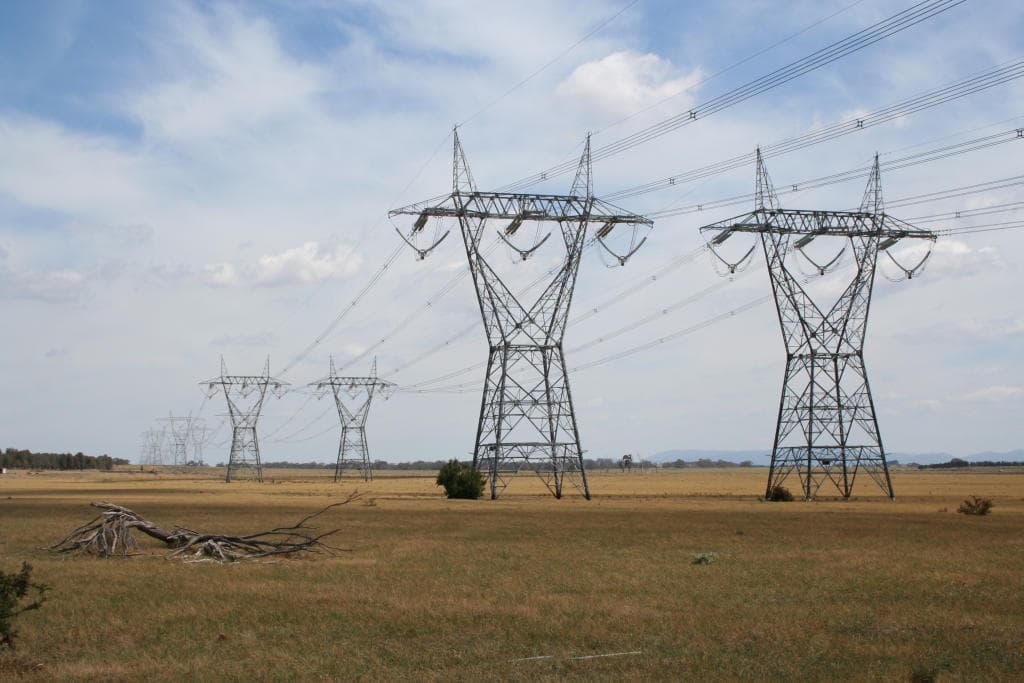
Comparing electricity plans in Australia is a paperwork job more than a shopping trip. Retailers advertise headline rates, cashback and "percent below the reference price". None of those figures is your bill. Your bill is usage in kilowatt hours, a daily supply charge, any controlled-load or solar feed-in, and the tariff your meter can support. Give comparison sites honest inputs and read the result as an estimate, not a promise.
What you need before you compare
Pull out a bill that covers a typical quarter, or two bills if your winter and summer usage look very different. You are collecting facts, not negotiating yet.
- Your National Metering Identifier (NMI). Comparison tools use it to lock the distributor and the network tariff. See what an NMI and MIRN are if it is not on the bill.
- Usage in kilowatt hours for the period, split by peak, shoulder, off-peak or controlled load if the bill shows those lines.
- Whether you have a smart meter or an accumulation meter. Time-of-use and demand tariffs need interval data.
- Any solar export in kilowatt hours, and the feed-in rate you are paid now.
- Concession cards, life-support registration, and whether you are in a hardship program. Those change both price and the way a switch is handled.
- The plan name and the date any benefit period or guaranteed discount ends.
If you only have a dollar total and no kilowatt hours, stop and learn how to read your electricity bill first. Comparing on dollars alone is how people pick a "cheap" plan that is expensive at their usage.
Households in Western Australia are in a different market. Synergy in the South West Interconnected System and Horizon Power elsewhere do not sit on Energy Made Easy. See how the Western Australian electricity market works before you apply the rest of this guide.
Standing offer vs market offer
Every retailer that sells to small customers must have a standing offer. It is the default contract: regulated terms, a published price, and no need to have shopped around. Move in and do nothing, or let a market offer lapse, and you can land on one.
A market offer is everything else. The retailer sets the price, the discount rules, the paper billing fee and the solar feed-in. Market offers can be cheaper, or dearer once a 12-month discount expires. On most unsolicited sales you still have 10 business days to cool off.
In New South Wales, south-east Queensland and South Australia the standing offer cannot sit above the Default Market Offer. In Victoria the equivalent cap is the Victorian Default Offer. Those caps are reference points, not a guarantee that your market offer is a bargain. Read the Default Market Offer explained and the Victorian Default Offer explained before you treat "X per cent below the DMO" as a saving.
A standing offer is a safety net. It is not a recommendation.
Usage rate, supply charge and discounts
An electricity plan is usually two prices glued together.
The usage rate is what you pay per kilowatt hour. It may be a single flat rate, or it may split into peak, shoulder and off-peak. Controlled load — a dedicated circuit for a storage hot-water system or slab heating — has its own rate and its own hours.
The supply charge (sometimes called a daily supply or service charge) is the fixed amount you pay every day the premises is connected. It does not care whether you are home. Low-usage households can pay more in supply than in usage, so a rock-bottom usage rate with a high supply charge often loses for a flat, while a higher usage rate with a cheap supply charge can win for a large family.
Discounts need the same scepticism.
- Pay-on-time discounts disappear if a direct debit fails or you query a bill past the due date.
- Guaranteed discounts are cleaner, but check what they are discounted from. A 20 per cent discount off a padded usage rate is not 20 per cent off the DMO.
- Conditional credits (a quarterly credit if you stay, a sign-up credit in month two) should be spread over a full year. A $150 credit on a plan that is $200 a year dearer is not a saving.
- Paper-bill and late-payment fees are not discounts, but they change the true cost for people who do not want email bills.
Never rank plans by usage rate alone. Rank them by estimated annual cost at your kilowatt hours, including supply, controlled load and the discounts you are actually likely to keep.
Why the reference price is not your bill
The DMO and VDO are calculated on a representative household. For 2026-27 the Australian Energy Regulator's DMO figures use different annual usage in each network: 3,900 kWh on Ausgrid, 4,900 kWh on Endeavour, 4,600 kWh on Essential Energy, 4,600 kWh on Energex in south-east Queensland, and 4,000 kWh on SA Power Networks. Victoria's VDO is commonly quoted at 4,000 kWh.
Your house is not that house.
A low-usage apartment can find a "10 per cent under the DMO" plan is only mid-pack once the supply charge dominates. A large house on 8,000 kWh can see the same plan look better or worse depending on whether the retailer loaded cost into usage or into supply.
Reference prices also assume a single-rate tariff unless the tool says otherwise. Time-of-use is a different product. The DMO and VDO still matter as a ceiling on standing offers and as an advertising stick. They do not forecast your invoice. For why the headline number moves each July, see why Australian electricity prices change.
Time-of-use and solar households
If you have a smart meter, many networks now default new connections or meter upgrades onto a time-of-use or demand tariff. A single flat rate is no longer the usual shape of a bill.
Time-of-use is cheaper if a decent share of your usage sits in the cheap window — typically overnight, and increasingly the middle of the day when rooftop solar floods the grid. It is dearer if your household peaks between late afternoon and 9 pm: cooking, heating or cooling, laundry, and charging an electric vehicle after work. Demand tariffs add a further twist: a short spike in kilowatts can set a monthly capacity charge. Read time-of-use versus single-rate tariffs and demand tariffs explained before you accept a plan that looks cheap on a flat-rate comparison.
Solar households should compare three numbers, not one.
- The usage rate you pay for grid imports after sunset.
- The feed-in tariff on exports. A high feed-in with a high usage rate is often a poor trade if you self-consume most of your generation.
- Whether you are eligible for a Solar Sharer Offer in DMO areas: a free midday window for eligible smart-meter customers, with a cap on the free kilowatt hours. Details sit in the Solar Sharer Offer explained.
If you are choosing a plan specifically because of panels, start with the best electricity plans for solar households rather than a generic ranking.
Using Energy Made Easy or Victorian Energy Compare
Use the government sites. They are free, they take no commission, and retailers must lodge current standing and market offers.
- Energy Made Easy covers New South Wales, south-east Queensland, South Australia, Tasmania and the Australian Capital Territory.
- Victorian Energy Compare covers Victoria.
- Western Australia, the Northern Territory and regional Queensland outside the Energex area are different markets. Do not force them into Energy Made Easy.
Enter the NMI when the site asks. Upload a bill or type usage if you have it. Tell the tool about solar, controlled load and concessions. Then sort by estimated annual cost.
Ignore the order of the first screen if you have not entered usage. A generic ranking is a ranking of someone else's house. Open the two or three cheapest estimates and check:
- tariff type (single rate, time-of-use, demand)
- whether solar feed-in is included in the estimate
- the length of any benefit period
- exit fees, if any (most small-customer electricity contracts no longer have them, but read the fact sheet)
- whether the quote assumes you will pay on time
Advertising can legally talk about a percentage below the DMO or VDO. That is not a personalised quote. If a phone call or shopping-centre stall will not show the Energy Made Easy or Victorian Energy Compare estimate for your NMI, walk away.
After you pick a plan
Switching is a transfer of the retail contract. The meter, the poles and the emergency number stay with the distributor. You do not need a new connection for a normal switch, and you should not have a gap in supply. The step-by-step is in how to switch electricity retailers.
After you choose, keep a copy of the last bill and the new energy fact sheet. Check the transfer start date. If the sale was unsolicited — a call you did not ask for, or a door-knock — diary the 10 business day cooling-off. Cancel the old direct debit only after the first new bill looks right. Confirm any solar feed-in and, if you have life support, tell the new retailer and the distributor in writing.
Revisit the comparison on 1 July, when a benefit period ends, or when the household changes: a battery, an electric vehicle, or working from home. Markets differ across Australian states, but the habit is the same. Compare on your kilowatt hours, not on a slogan.
Frequently asked questions
How do I compare electricity plans in Australia?
Start with a recent bill so you have your usage in kilowatt hours, your network area and your NMI. Enter those details on Energy Made Easy if you live in New South Wales, south-east Queensland, South Australia, Tasmania or the ACT, or on Victorian Energy Compare if you live in Victoria. Rank plans by estimated annual cost, not by a single advertised usage rate.
Is the cheapest plan the lowest usage rate?
No. A plan with a low usage rate can still cost more once you add the daily supply charge, lose a conditional discount or sit on a time-of-use tariff that prices your evening peak highly. Always compare estimated yearly cost at your actual usage.
Do I need my NMI?
You can browse without it, but the National Metering Identifier tells comparison tools which distributor serves your address and which network tariffs apply. That is what makes an estimate useful. The NMI is printed on your electricity bill.
How often should I switch?
Review the market at least once a year, and again when a benefit period ends or your retailer writes to change prices. Switching every few months rarely pays if exit fees or reconnection friction eat the saving. A yearly check against Energy Made Easy or Victorian Energy Compare is enough for most households.
Should I stay on a standing offer?
Usually not, unless you have a specific reason such as a hardship arrangement or you have just moved and not chosen a market offer yet. Standing offers are the safety-net product. In DMO and VDO areas they are capped, but market offers are often cheaper if you compare them properly.