GreenPower and carbon-neutral energy plans
Accredited GreenPower is a percentage of your usage matched with renewable generation certificates. Carbon-neutral marketing is often a different product: offsets that do not change the electricity in your switchboard.
By Samira Walsh · Published 2026-04-08 · Updated 2026-09-22
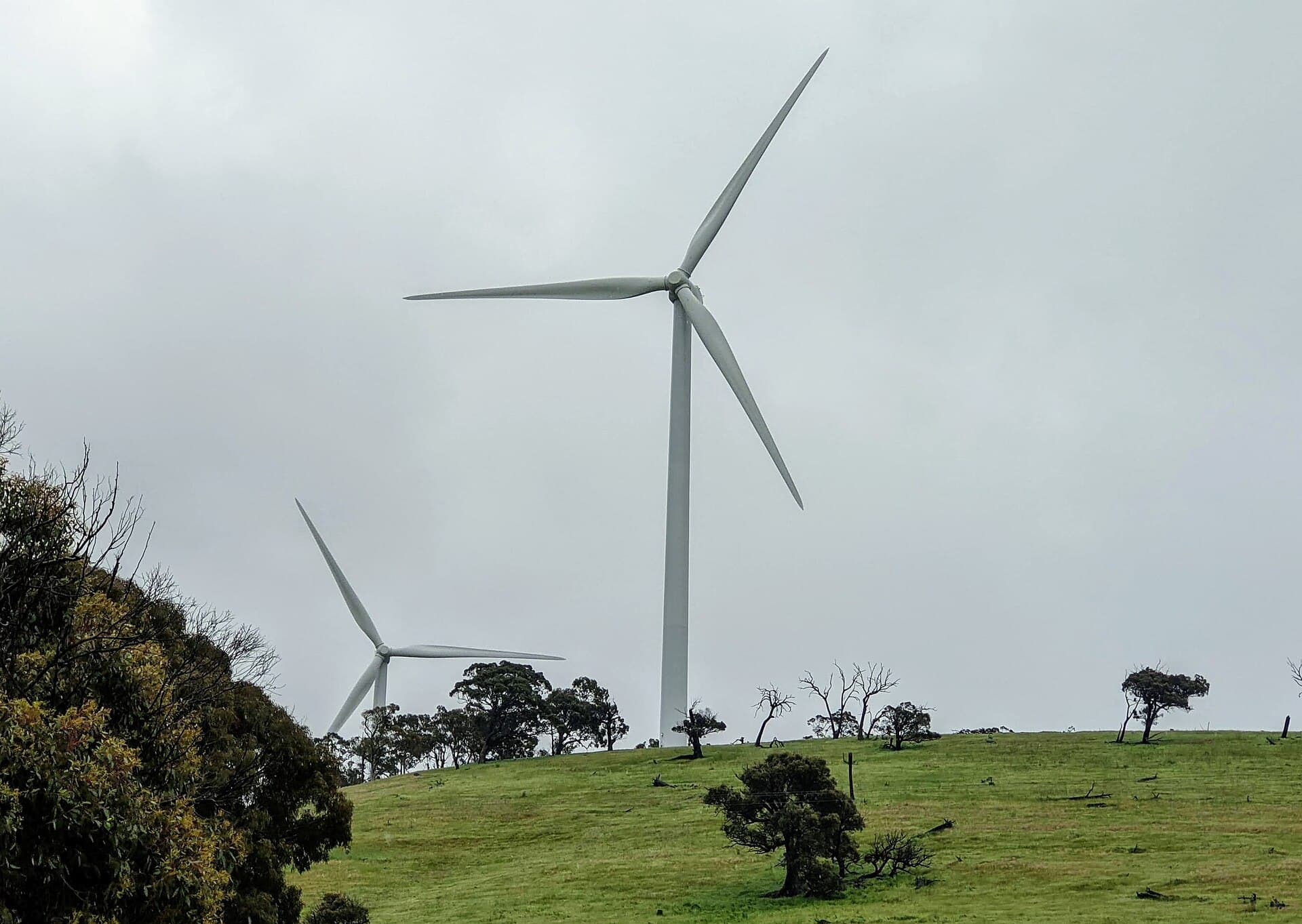
Two labels now sit on electricity fact sheets: GreenPower and carbon neutral. They are not synonyms. One is a government-accredited renewable product built on large-scale generation certificates. The other is usually a carbon-offset claim that can be built on trees, soil or a project a long way from the National Electricity Market. Neither changes the physics of the socket.
If you want extra renewable generation funded and claimed only once, look for accredited GreenPower and a percentage you understand. If you want a marketing badge, read the offset small print. If you want the cheapest cleanish outcome, price a plain market offer and rooftop solar before you pay a retailer to be green on your behalf.
Accredited GreenPower percentages
GreenPower is a joint federal–state accreditation. A retailer that sells it must buy and surrender large-scale generation certificates (LGCs) equal to the GreenPower share of your usage, in addition to the certificates it already surrenders under the mandatory Renewable Energy Target. The "in addition" is the whole product. Without it, you would be paying extra for certificates the retailer had to retire anyway.
Plans are sold as a percentage: 10, 20, 50 or 100 per cent of your billed kilowatt hours, sometimes a different percentage for a business site. The extra cost is usually a cents-per-kilowatt-hour premium, or a higher flat usage rate. It should be itemised on the fact sheet. If it is not, ask for the same plan with GreenPower set to zero.
What the percentage means in practice:
- 10 or 20 per cent is a modest extra surrender. It is also a modest extra cost. Treat it as a contribution, not as "the household is renewable".
- 100 per cent means the retailer surrenders one extra LGC for every megawatt hour you buy from the grid (on top of the mandatory RET). Your bill is still a grid bill. Your emissions accounting, if you do that sort of thing, can treat that usage as matched with accredited renewable generation.
- GreenPower does not apply to usage you never bought. Solar self-consumption is already yours. Exports are a feed-in question, not a GreenPower question.
GreenPower is not available on every standing offer, and it is not the Default Market Offer. It is an add-on or a market-offer variant. Compare it on Energy Made Easy or Victorian Energy Compare the same way you compare anything else: estimated annual cost at your usage, including the premium. How to compare electricity plans still applies. A 100 per cent GreenPower plan with a high supply charge can lose to a 100 per cent GreenPower plan with a dull usage rate and a cheap daily charge.
Carbon-offset "carbon neutral" marketing
"Carbon neutral" on an energy plan is a looser phrase. It often means the retailer calculated the emissions associated with your electricity (using a grid factor) and bought offsets to match. Those offsets may be Australian carbon credit units, overseas voluntary credits, or a tree-planting program the marketing team likes. The quality range is wide. The electricity product underneath may be an ordinary brown market offer.
Sometimes a retailer stacks both: GreenPower for a percentage of usage, plus offsets for the rest, plus a "carbon neutral" logo. Sometimes there is no GreenPower at all. The logo is doing the work.
Questions worth asking, in writing:
- Is any of this accredited GreenPower, and at what percentage?
- If not, which offset standard is used, and are the units retired in your name or in a pool?
- Does the claim cover electricity only, or gas as well on a dual-fuel account?
- Does the premium disappear if you miss a pay-on-time discount?
Offsets are not inherently crooked. Selling them as extra wind farms in New South Wales is sloppy. If the fact sheet cannot say "GreenPower" and a percentage, do not describe the plan that way. Why electricity prices change covers the mandatory schemes every retailer already pays. Carbon-neutral marketing is on top of that stack, or it is a relabelling of it.
A "carbon-neutral gas" add-on is almost always offsets. There is no GreenPower for methane in the pipe. How to compare gas plans if the household still has gas; do not let an electricity GreenPower percentage paper over a dual-fuel sales pitch.
LGC versus STC
Two certificate families sit in Australian electricity. Mixing them up is how solar installers and energy retailers talk past each other.
A large-scale generation certificate is created by an accredited power station — a wind farm, a large solar farm, some hydro, some biomass — generally at the rate of one LGC per megawatt hour generated. Retailers must surrender a rising percentage of LGCs each year under the Renewable Energy Target. GreenPower is extra LGCs on top. When you pay a GreenPower premium, you are paying for extra LGCs to be surrendered so they cannot be used by someone else to meet the mandatory target.
A small-scale technology certificate is created when a household or small business installs an eligible system: rooftop solar, some heat pumps, some solar water heaters. STCs are created up front for the deemed generation over a period of years, then usually assigned to the installer as a point-of-sale discount. You do not receive STCs each quarter on your bill. You received them, in effect, as a cheaper install. Solar rebates and STCs explained is the installation-side guide.
GreenPower does not use STCs. Your rooftop panels do not make your retail plan into GreenPower. The panels make small-scale certificates once, at install, and they make kilowatt hours on your roof every sunny day. Those are different instruments from the LGCs a wind farm creates hour by hour.
If a salesperson says the plan is green "because of the renewable energy target" or "because of solar certificates", they are describing the mandatory scheme, not an extra product. The mandatory scheme is already in the usage rate of the cheap brown plan next door.
The electrons in the socket do not change
This is the sentence people dislike, and it remains true. Electricity in the grid is a pooled product. Electrons do not travel from a nominated wind turbine in Cullerin to your kettle in Footscray with a luggage tag. Your house takes power from the local network. The generation mix in your region that hour is the mix. A 100 per cent GreenPower sticker on the bill does not rewire the street.
What GreenPower changes is claims. An LGC surrendered for your usage cannot be surrendered again. Extra renewable generation was produced and uniquely accounted for. That is a real intervention in the certificate market. It is not a private wire.
Rooftop solar is the intervention that does change the electrons you use, because those kilowatt hours never leave the premises when you self-consume. A battery extends that effect into the evening. If the goal is "less grid power at 6 pm", a home battery and a sensible tariff will do more than a GreenPower percentage. If the goal is "more large-scale renewables exist because of my bill", GreenPower is the product that is actually built for that.
Cost versus a cheaper brown plan plus solar
Do the arithmetic before you donate via a usage rate.
Take your annual grid imports in kilowatt hours. Multiply by the GreenPower premium in cents. That is the yearly cost of the accreditation. For a household using 4,000 kWh and paying an extra 4 cents per kWh for 100 per cent GreenPower, the extra is about $160 a year. Figures vary; use the fact sheet, not this paragraph.
Now price the alternative: an ordinary market offer without GreenPower, plus measures that cut imports.
- A cheaper usage rate and supply charge, found on the government comparison site.
- Rooftop solar, after the STC discount and any state rebate, which cuts imports and may earn a feed-in tariff.
- Shifting load into a cheap solar window or a Solar Sharer interval if you are eligible.
- Efficient heating and hot water, which reduce kilowatt hours permanently.
For many households the brown plan plus a modest solar array beats 100 per cent GreenPower on both cost and actual grid imports. That is not an argument against GreenPower. It is an argument against paying a premium on every kilowatt hour you have not yet tried to avoid. Renters and people who cannot install panels are the obvious exception: GreenPower or a carefully read carbon-neutral product may be the only lever they have. In that case, buy accredited GreenPower and ignore the fluffier badge.
When you compare, hold the retailer constant if you can. Ask for the same market offer at 0, 50 and 100 per cent GreenPower. Watch for a supply charge that jumps, or a pay-on-time discount that applies only to the brown version. Watch for a solar feed-in that shrinks on the "green" fact sheet — that trade is common and often a poor one for homes that already export.
You should not pick a plan because a website named a cheapest green retailer. Those lists go stale when certificates move. Use Energy Made Easy or Victorian Energy Compare, read the word GreenPower rather than the colour of the logo, and treat offsets as offsets. The grid will still be the grid. The certificate, if you paid for a real one, will not be used twice.
Frequently asked questions
What is GreenPower on an electricity plan?
GreenPower is a government-accredited product. The retailer surrenders large-scale generation certificates equal to a chosen percentage of your usage, on top of the ordinary Renewable Energy Target. You are paying for extra renewable generation to be claimed once, not for different electrons in the socket.
Is a carbon-neutral energy plan the same as GreenPower?
Usually not. Carbon-neutral marketing often means the retailer bought carbon offsets for the emissions associated with your usage. Offsets can be land, trees or other projects. They are not the same as accredited GreenPower and they are not regulated as a single electricity product.
Do GreenPower electrons come down my street?
No. The grid is a shared pool. Your house receives the same mix as the neighbours. GreenPower changes the certificates surrendered on your behalf. If you want electrons you generated yourself, that is rooftop solar, not a GreenPower percentage.
Is GreenPower better than installing solar?
They do different jobs. Solar cuts the kilowatt hours you buy and can earn a feed-in tariff. GreenPower applies only to the kilowatt hours you still buy. A cheaper ordinary plan plus rooftop solar often beats a 100 per cent GreenPower plan on cost. Compare both, including the solar rebate and STC discount on the panels.
What is the difference between an LGC and an STC?
A large-scale generation certificate is created by accredited power stations, generally one certificate per megawatt hour. A small-scale technology certificate is created up-front when a household installs solar or a heat pump, and is usually used to discount the install price. GreenPower uses LGCs, not STCs.
How do I compare the extra cost of GreenPower?
Ask for the same plan with and without GreenPower, or compare two fact sheets that differ only in the GreenPower percentage. Divide the annual extra cost by your annual kilowatt hours. Then decide whether that cents-per-kilowatt-hour premium is how you want to spend the money, versus efficiency or solar.